One of the biggest changes people notice on a GLP-1 medication is simple: “I’m just not that hungry anymore.”
That can be helpful for weight management.
But there is an important difference between eating less and eating well.
If your appetite is much smaller, the goal isn’t to force yourself to eat huge meals.
Instead, think about making the food you can eat count.
Why does appetite decrease on a GLP-1?
GLP-1-based medications affect signals involved in appetite and feelings of fullness.
This can help people feel satisfied with smaller amounts of food.
For some people, foods they previously enjoyed may also become less appealing.
The result can be much smaller meals.
This is where nutrition planning becomes useful.
If you can only manage a small meal, you want that meal to provide more than just calories.
What should I eat first when my appetite is low?
Start by thinking about protein.
When you’re eating less, it may become harder to reach an adequate protein intake.
Try choosing the protein part of your meal first.
For example:
Breakfast could include eggs or Greek yoghurt.
Lunch could include chicken, tuna, cottage cheese, beans or lentils.
Dinner could include fish, chicken, lean meat, tofu or legumes.
If eating a full meal feels difficult, a suitable protein shake may be another convenient option.
Then add vegetables, fruit, whole-grain or other fibre-rich carbohydrates and healthy fats according to what you can comfortably tolerate.
Do I still need carbohydrates?
Yes.
Carbohydrates aren’t automatically the enemy of weight loss.
Foods such as oats, potatoes, brown rice, whole grains, beans, lentils, fruit and vegetables can provide energy, fibre and important nutrients.
The amount you need will vary according to your overall energy needs, health and activity level.
Instead of fearing carbohydrates, focus more on food quality and appropriate portions.
What about healthy fats?
Fats also form part of a balanced diet.
Foods such as avocado, nuts, seeds, olive oil and oily fish can provide healthy fats and valuable nutrients.
Because fat is energy-dense, you don’t necessarily need a large amount.
Small portions can work well when appetite is reduced.
What if I feel full very quickly?
Don’t try to force a huge meal simply because it’s “meal time.”
Smaller, nutritious meals may feel easier to manage.
Eat slowly and pay attention to how you feel.
It may help to choose simple foods and avoid very large meals when you’re already feeling full.
If nausea, vomiting or difficulty eating becomes ongoing or severe, speak to the healthcare professional managing your treatment.
GLP-1 side effects shouldn’t simply be ignored if they’re stopping you from eating or drinking adequately.
Don’t forget water
A smaller appetite can sometimes mean fewer drinks too.
You may previously have had something to drink with breakfast, lunch, dinner and snacks. If some of those eating occasions disappear, your fluid intake may drop without you noticing.
Keep water nearby and drink regularly throughout the day.
This matters even more during exercise and in hot South African weather.
Think quality before quantity
This may be one of the easiest GLP-1 nutrition rules to remember:
Smaller appetite = make every bite count.
Instead of asking:
“How little can I eat today?”
Try asking:
“How much useful nutrition can I get from the food I am able to eat?”
Those are two very different approaches to weight loss.
Current expert guidance for people using GLP-1 medicines highlights the importance of good dietary quality, enough protein, resistance exercise, managing digestive side effects and reducing the risk of nutritional gaps.
The medication can support weight management.
Nutrition still supports your body.
What should a simple GLP-1-friendly meal look like?
It doesn’t need to be complicated.
Start with:
- A protein source
Add:
- Vegetables or fruit
Then include:
- A suitable high-fibre carbohydrate and/or healthy fat
And remember:
- Water
Your portion size should suit your appetite and individual nutritional needs.
There isn’t one perfect “GLP-1 diet” that everyone needs to follow.
What does the science say?
What is well established: GLP-1 medicines can reduce appetite and food intake. A varied diet containing protein, vegetables, fruit, whole grains or other quality carbohydrates, healthy fats and sufficient fluids supports good general nutrition.
What is still being studied: Researchers are continuing to investigate how GLP-1 medicines may change food preferences, long-term dietary intake and nutritional status.
Experts therefore recommend paying attention to the quality of food eaten during treatment, rather than focusing only on calories and the number on the scale.
5 easy eating habits to remember
- Protein first. Include a useful protein source in your meals.
- Choose nutrient-dense foods. Make smaller meals work harder nutritionally.
- Eat slowly. Give your body time to recognise fullness.
- Drink regularly. Don’t let reduced appetite become reduced hydration.
- Get help when you need it. Persistent difficulty eating, vomiting or other significant symptoms should be discussed with your healthcare professional.
Where does My Meal fit?
There will be days when preparing or eating a full meal simply feels like too much.
That’s where convenience can be useful.
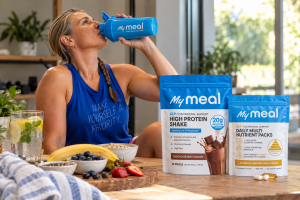
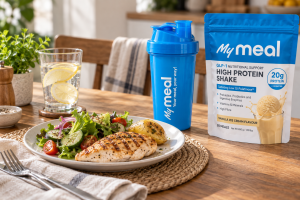
The My Meal High Protein Nutrition Shake provides 20 g of protein per serving, along with 3 g creatine monohydrate, dietary fibre, prebiotics and probiotics, vitamins and minerals.
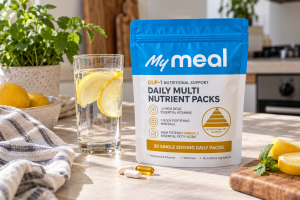
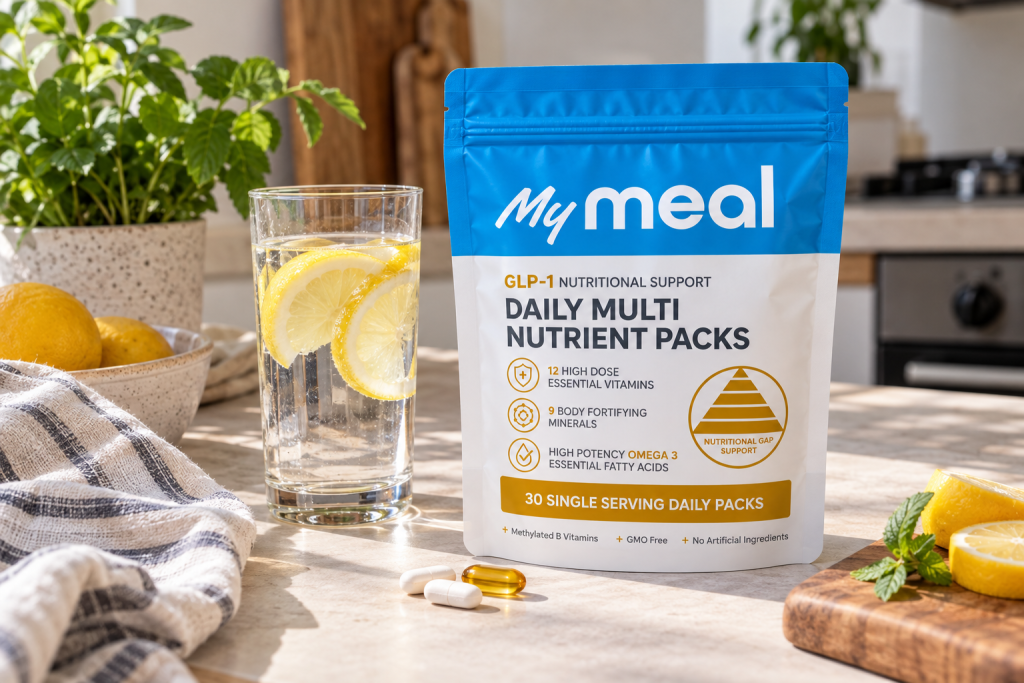
The My Meal Daily Multi Nutrient Pack provides 12 vitamins, 9 minerals and high-potency omega-3 to complement a varied diet.
My Meal doesn’t replace healthy food, exercise or medical care.
It’s there to help make everyday nutritional support simpler when your appetite isn’t what it used to be.
Eat less if your appetite has changed—but make good nutrition count.
Key search questions answered: What should I eat on a GLP-1? What should I eat when I’m not hungry on a GLP-1? Should I eat protein first on a GLP-1? Can I eat carbohydrates on a GLP-1? How do I get enough nutrition when my appetite is low?
Research References
- Joint expert advisory on nutritional priorities during GLP-1 treatment.
- 2026 review of nutritional care for adults receiving GLP-1 and dual GIP/GLP-1 treatment.
- World Health Organization guidance on healthy dietary patterns.
The expert advisory specifically identifies reduced intake, altered food preferences, GI effects, nutrient deficiencies, muscle/bone preservation and strength training as important areas to address during GLP-1 treatment. A 2026 review similarly highlights reduced calorie intake, possible macro- and micronutrient inadequacy and the need for individualised nutritional care.
Research links: Joint GLP-1 nutritional priorities advisory · 2026 nutritional-care review · WHO healthy diet guidance