A smaller appetite can help with weight management. But eating less food can also mean eating fewer important nutrients.
When people talk about GLP-1 nutrition, protein often gets most of the attention.
Protein is important, but it’s only part of the picture.
Your body also needs vitamins and minerals every day. These are called micronutrients because we only need them in small amounts.
Small doesn’t mean unimportant.
Can eating less lead to nutritional gaps?
Yes, it can.
GLP-1 medications often reduce hunger and food intake.
If you’re eating smaller portions, skipping meals or eating a limited range of foods because your appetite has changed, you may have fewer opportunities to get all the nutrients your body needs.
This doesn’t mean everyone taking a GLP-1 will develop a vitamin or mineral deficiency.
But it does mean food quality becomes increasingly important when food quantity decreases.
What are micronutrients?
Micronutrients include vitamins and minerals that your body needs to function normally.
Examples include:
- Vitamin D
- Vitamin B12
- Folate
- Iron
- Calcium
- Magnesium
- Zinc
Unlike protein, carbohydrates and fats, your body only needs small amounts of these nutrients.
However, they are involved in many normal body processes.
The best starting point is usually a varied diet containing different nutritious foods.
What does the latest GLP-1 research show?
Nutrition researchers are starting to look more closely at this issue.
A 2026 review examined research into nutritional and micronutrient problems among people using GLP-1 medicines.
The researchers found signals involving nutrients including vitamin D, iron, calcium and some B vitamins.
However, there’s an important point.
Much of the evidence currently comes from observational research. This means scientists can see patterns, but they cannot yet prove that GLP-1 medicines directly caused every deficiency.
Some people may already have poor nutrient intake before starting medication.
This is why researchers are calling for more high-quality studies.
Why could nutritional gaps happen?
There isn’t one simple reason.
Possible factors include:
Eating less food: Smaller portions may mean fewer vitamins and minerals overall.
Less food variety: If nausea or changes in food preferences cause you to rely on only a few foods, your diet may become less varied.
Digestive side effects: Ongoing nausea or vomiting can make adequate nutrition more difficult.
Existing nutritional gaps: Some people may already have low levels of certain nutrients before starting treatment.
The important message is not to panic.
It’s to pay attention to nutrition while you’re losing weight.
How can I make smaller meals more nutritious?
Think about nutrient density.
Nutrient-dense foods provide useful nutrition without needing an enormous portion.
For example:
Eggs provide protein plus several vitamins and minerals.
Greek yoghurt can provide protein and calcium.
Fish can provide protein and other nutrients, with oily fish also providing omega-3 fats.
Beans and lentils provide plant protein, fibre and minerals.
Fruit and vegetables provide different vitamins, minerals and plant compounds.
Nuts and seeds can provide healthy fats, minerals and some protein.
Whole grains can provide fibre and several micronutrients.
The goal isn’t to find one perfect food.
Variety matters.
Should everyone take a multivitamin on a GLP-1?
Not necessarily.
Supplements can be useful in the right situation, but they don’t replace a good diet.
Your individual needs depend on what you eat, your health, medications, age and whether you already have a deficiency.
If you’re concerned about nutritional deficiencies, speak to your doctor or dietitian. They may recommend blood tests or targeted supplementation where appropriate.
Taking more vitamins isn’t automatically better.
Some nutrients can be harmful when taken in unnecessarily high amounts.
What is established and what is still emerging?
What we know: Your body needs adequate vitamins and minerals. Eating a varied, nutrient-dense diet is one of the best ways to support this.
What is emerging: Researchers are investigating whether reduced food intake during long-term GLP-1 therapy increases the risk of specific deficiencies.
A 2026 review described micronutrient risk during GLP-1 treatment as individual and affected by several factors, rather than something that happens to everyone.
That is an important difference.
5 simple ways to improve nutritional quality
- Eat a variety of foods. Different foods provide different nutrients.
- Prioritise protein-rich foods.
- Include fruit and vegetables regularly.
- Don’t ignore ongoing nausea, vomiting or very poor appetite.
- Ask your healthcare professional about testing if you’re worried about a deficiency.
Where does My Meal fit?
My Meal was created around a simple idea:
When you’re eating less, nutrition still matters.
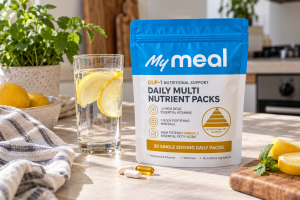
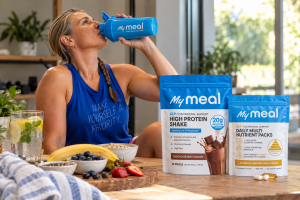
The My Meal Daily Multi Nutrient Pack provides 12 vitamins, 9 minerals and high-potency omega-3 to complement a balanced diet.
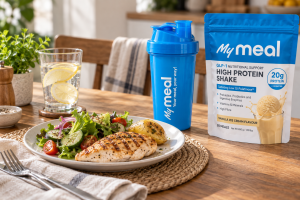
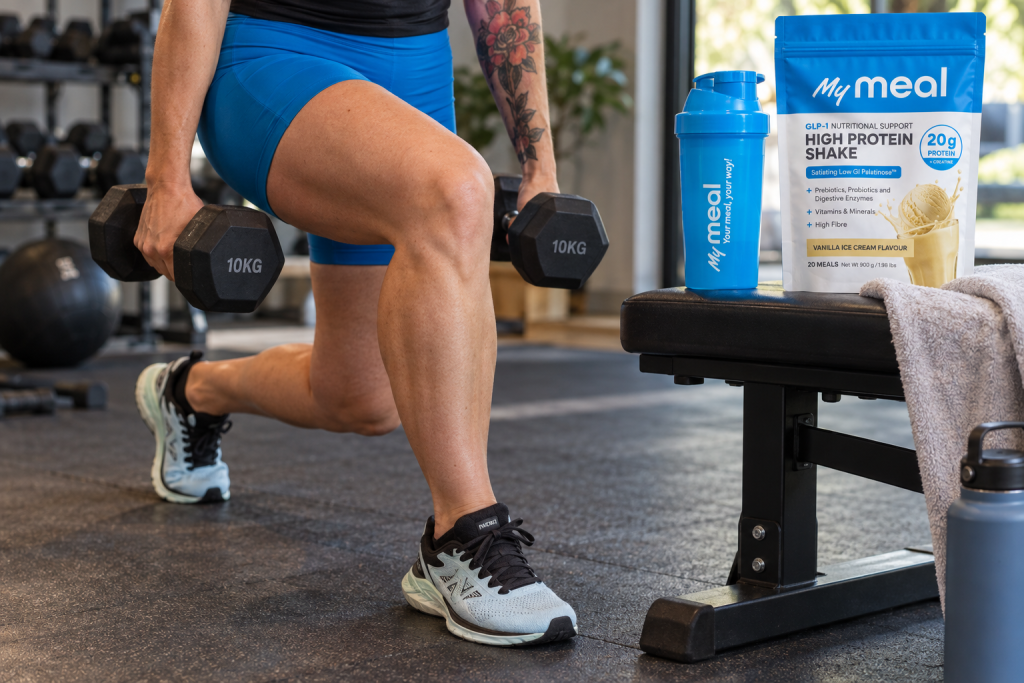
The My Meal High Protein Nutrition Shake provides 20 g protein per serving, together with creatine, fibre, prebiotics and probiotics, vitamins and minerals.
These products aren’t intended to treat or prevent nutritional deficiencies, and they don’t replace healthy food or medical advice.
They’re designed to offer a convenient way to support everyday nutritional intake when appetite and meal size may be reduced.
Research References
- 2026 review of micronutrient and nutritional deficiencies associated with GLP-1 therapy.
- 2026 review of micronutrient risk during incretin-based obesity treatment.
- WHO guidance on healthy, varied diets and micronutrient intake.